
Short answer
The question usually lands about ten minutes into the call: bot or person? The honest answer is boring. It depends on what the shopper asked.
The rule we use at GUSTA is simple. If the answer is already written somewhere in the store, on the product page, in the returns policy, in that footer nobody reads, let the assistant take it. If it depends on somebody deciding something that is not written down anywhere, like approving a late return because the customer bought three times last month and is worth keeping, no language model will save you. That is a person.
And when we go through the conversations that went badly, the model rarely got the facts wrong. The handoff between the two is what broke.
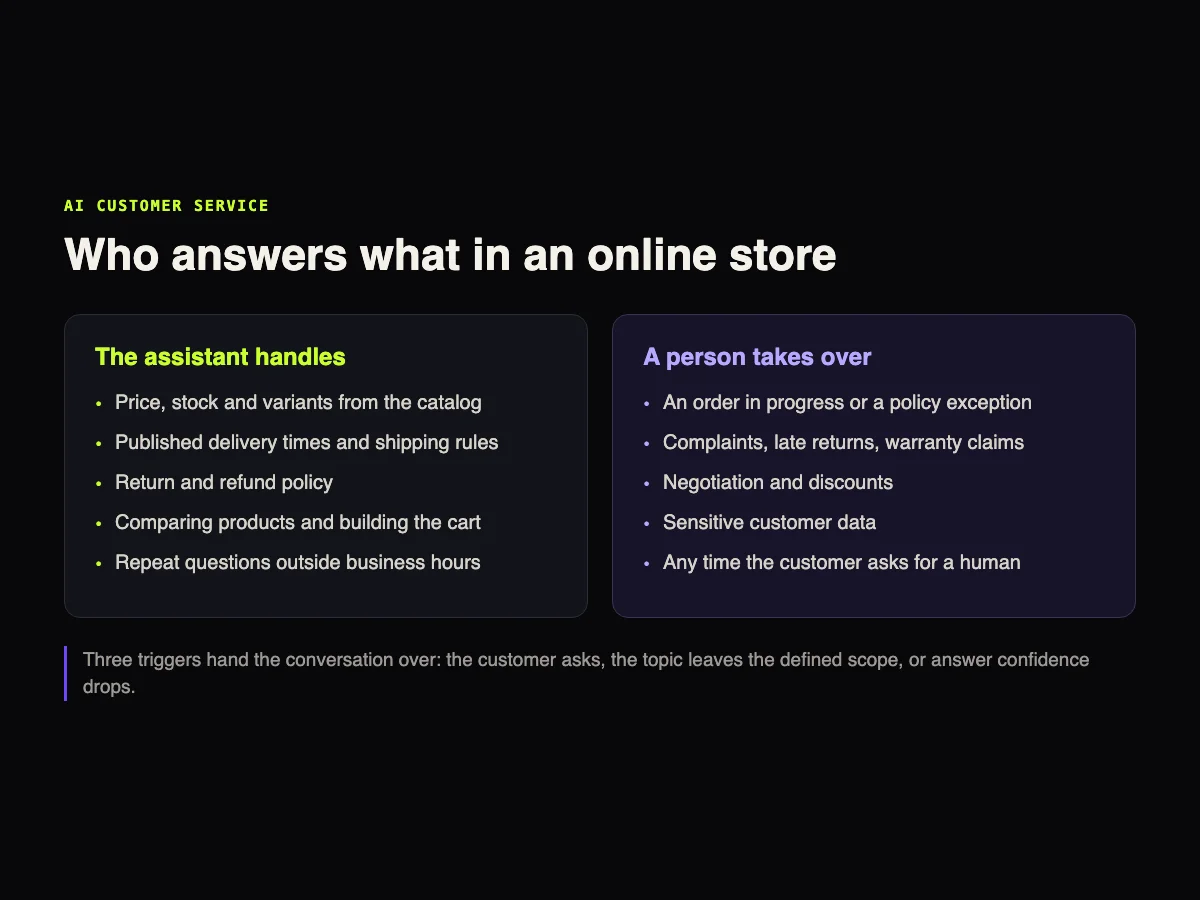
It is not a competition
A menu bot, an AI agent and a human agent are not fighting over the same question. The menu bot covers predictable flows, the three-option path everyone has seen. The AI agent reads the request the way the shopper typed it and goes looking in the catalog. The person steps in when somebody has to decide.
If what you want is the technical difference between the first two, it is in our comparison of AI chatbots and AI agents. This piece is about something else: where the machine ends and people begin.
What the agent handles well
Questions whose answer already exists somewhere in the store:
- Price, stock and variants. When the answer comes from a catalog query, it is exact and it does not go stale.
- Published delivery and shipping rules. Whatever your shipping page says.
- Returns and refunds. Whatever your policy says.
- Comparing products and building a cart. "A work outfit under 500" is a request ordinary search does not understand.
- Nights and campaign peaks. Nobody staffs 2am on Black Friday.
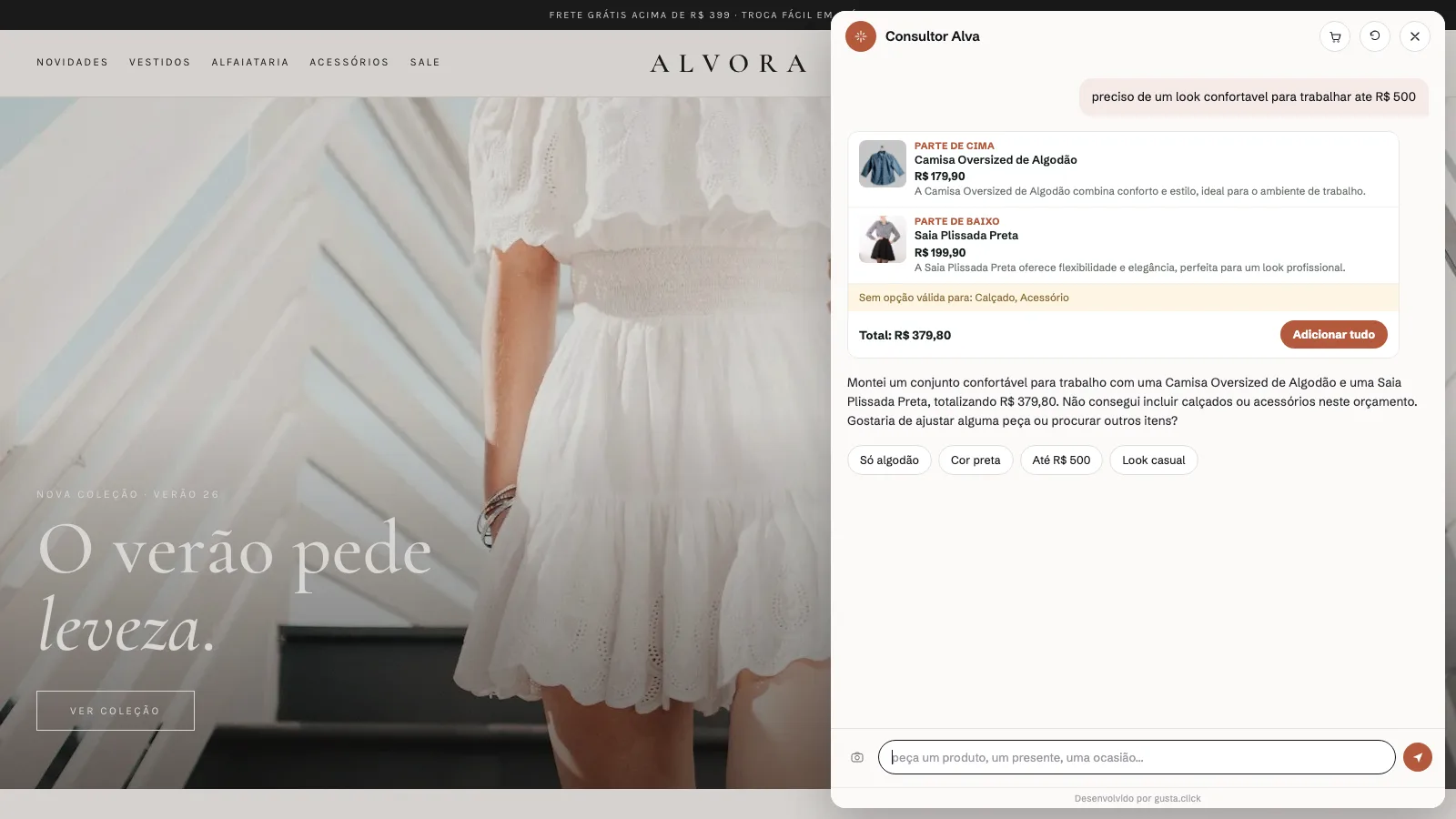
Look closely at that warning. The assistant built the outfit and said what it could not include. That kind of honesty is what separates a useful agent from a salesperson who pushes anything.
What needs a person
- An order in progress. Delays, lost parcels, invoices, a return already requested.
- A policy exception. The customer asks for something outside the rules and someone has to decide.
- Complaints and warranty. The problem here is rarely information. It is trust.
- Negotiation. Discounts, special terms, large orders.
- Sensitive data. Documents, payment details, full addresses.
The example below is from a demo store and shows the right behaviour: the visitor asked about warranty, the topic sits outside that assistant's scope, and it says so instead of inventing a procedure.
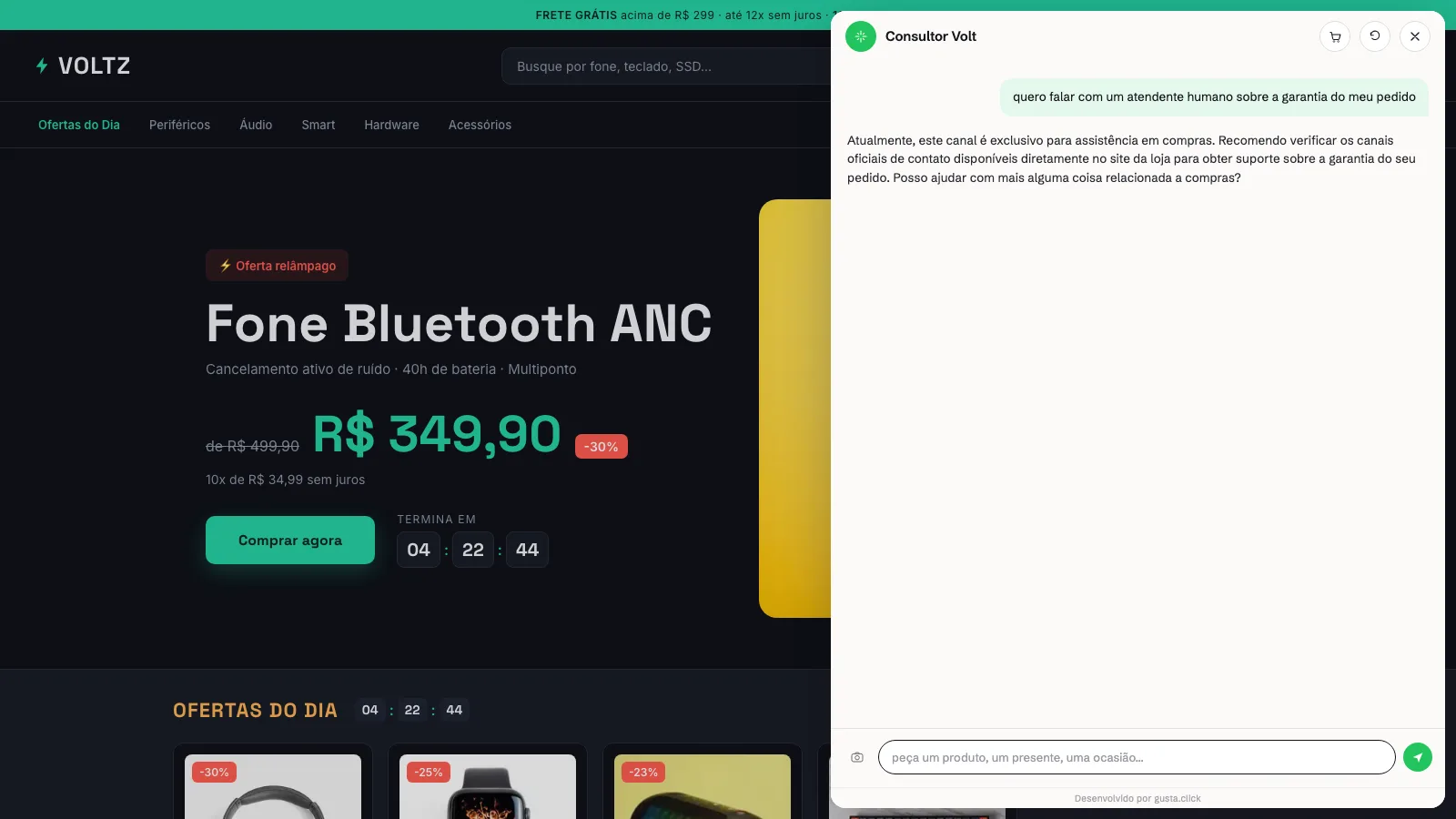
The three handoff triggers
In practice there are only three reasons to take a conversation off the machine.
- The customer asks. No insisting, no form first. They asked for a person, get them a person.
- The topic leaves the scope. It is not in the catalog and not in the policies.
- Confidence drops. The answer would be a guess. Better to say it does not know.
If your tool does not let you configure those three cases, it will walk shoppers into a dead end.
How to design the handoff without annoying the shopper
One detail almost nobody configures changes the outcome: the history. Whoever takes over has to open the chat and see everything that was said. Without it the shopper tells the whole story again, from the top, and starts to distrust everybody, you included.
The rest is close to obvious, but worth the list:
- Be honest about hours. Outside business hours, say so and offer WhatsApp or email. Promising a reply at 3am is worse than promising nothing.
- Keep the queue visible. Someone has to see the conversation arriving in real time.
- Hand it back. Once the case is resolved, the customer is still shopping. The conversation should not die there.
In Nola AI, the assistant we build, that part is configurable: business hours, a live queue in the dashboard, and WhatsApp as the exit when nobody is online.
What to measure afterwards
| Metric | Why it matters |
|---|---|
| Conversations resolved without a person | Shows how complete your store content is |
| Time to first human reply | This is the number the customer feels |
| Handoff reason | Becomes a list of page and policy fixes |
| Repeated questions | Usually means information missing from the site |
The third one is the most underrated. When many people are handed over for the same reason, the bot is not the problem: some information does not exist in the store. Our article on ecommerce automation with AI covers that improvement loop in other processes.
Four mistakes that show up every time
The bot that insists. The customer asks for a person and the bot offers three more menu options.
The bot that promises a date. If delivery data is not connected, it should not risk a date.
The human with no context. An agent opening with "how can I help?" after ten messages.
The channel that vanishes. A widget that disappears mid-conversation, or business hours set wrong.
Outside ecommerce the logic is the same
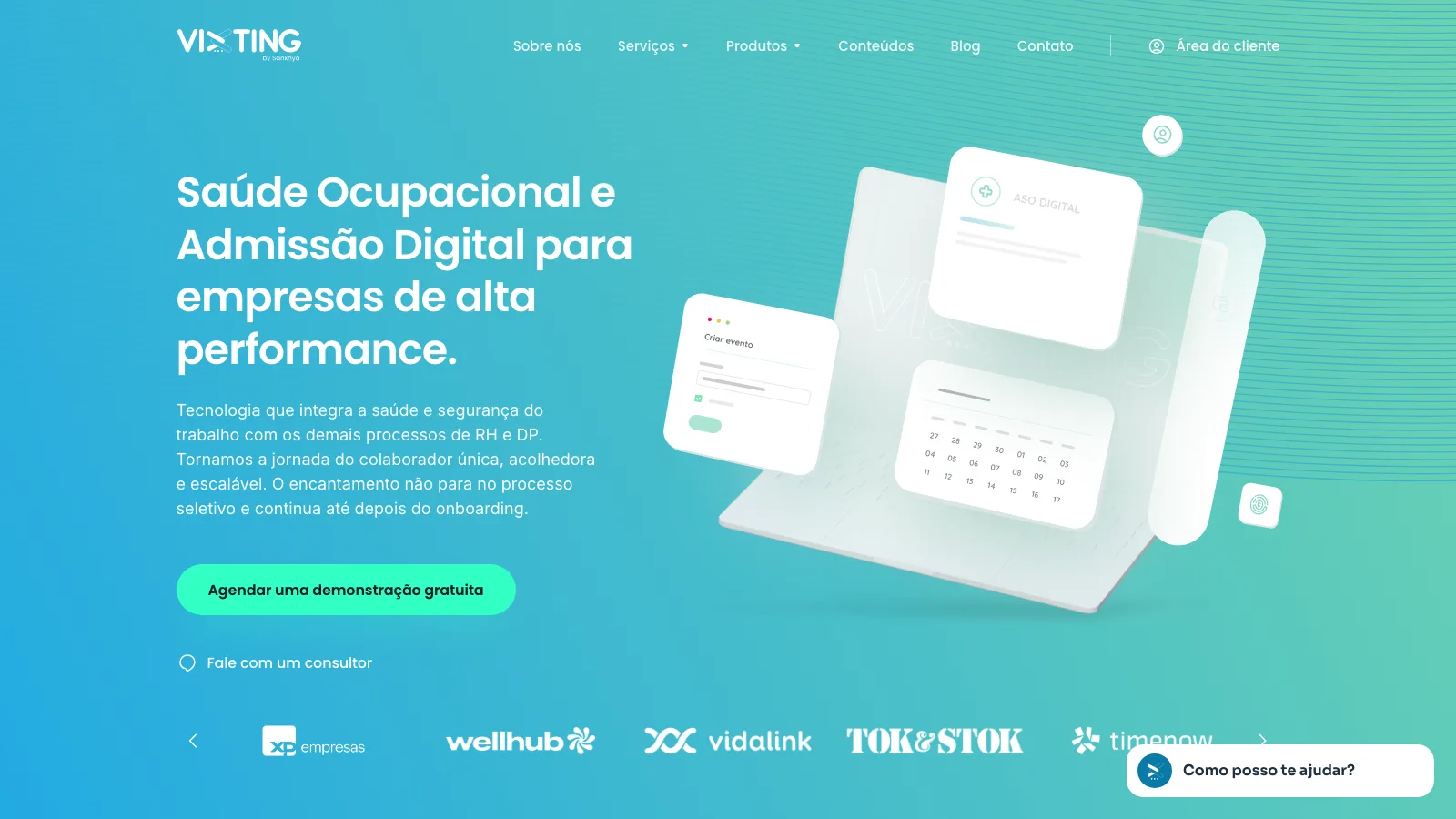
This is not only about stores. In service operations, the assistant answers what is published and a person takes over when the case is specific. In the Vixting case study, the website and conversational support are run as parts of the same operation, with clear paths and access to people.
The same design shows up in the ENE2ESE case study, in a specialized catalog where buying usually starts with a question.
Frequently asked questions
Does an AI agent replace the support team?
Not in the design that works. It takes the repeated part off the queue, which is price, stock, delivery and policy, and gives the team back the time that goes into answering the same question for the fifth time in one day.
How does a customer ask for a human?
By typing, in most tools. A visible button helps too. What must not happen is the request turning into another round of menus.
What about outside business hours?
The assistant should say nobody is available, capture the contact and offer an asynchronous channel. A conversation left waiting with no warning becomes a complaint the next day.
Can the assistant answer about a specific order?
It depends on the platform and the permissions granted. In Nola AI, order status exists today on VTEX. On the other platforms, an order in progress goes to a person.
What should I do when the assistant gets something wrong?
Save the conversation link and look at the source. Most of the time the error comes from an incomplete description or stale product data, not from the language model.
CTA
Want to see this split running on your own catalog? Nola AI comes with a 14-day free trial, no card, and the human support queue is included. If your operation needs a custom design between systems and people, talk to GUSTA.
Comments
No comments yet. Be the first to comment.