Recurring operation
Digital processes happen every day and need to work predictably.
Practical articles on AI-powered ecommerce automation, connecting your store to ERP and marketplaces, AI chatbots and agents for support, and technical decisions such as when a plugin is enough versus a custom store. Every guide is written to help business and technical teams understand the operational tradeoffs before choosing a tool or starting an implementation.
Here you will find architecture patterns, decision checklists and examples for stores that need to reduce repetitive work without losing control of stock, orders, pricing or customer communication. The articles explain where automation creates measurable value, where human review still matters, and which safeguards should be designed before an AI system can act on behalf of a team.
The library covers the questions that usually appear between a promising demo and a dependable production system: how to select between a chatbot and an AI agent, how to synchronize an ERP with several sales channels, when WooCommerce needs custom development, and how to plan an ecommerce architecture that can evolve without turning every change into emergency work.
Start with the problem closest to your operation. Each article separates business symptoms from technical causes, describes a practical path forward, and highlights the metrics that show whether the solution is actually improving conversion, response time or operational reliability.
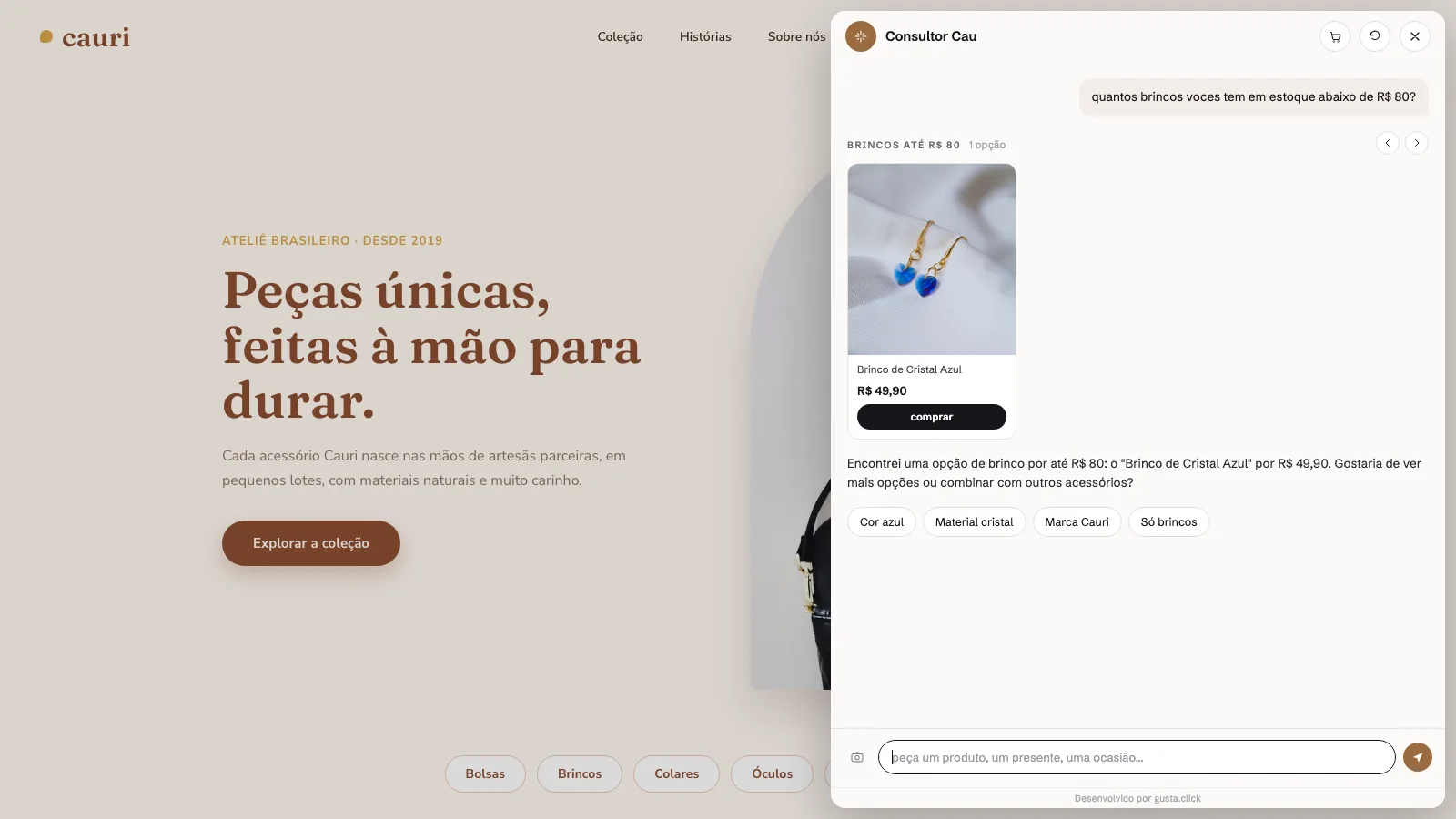
How an AI chatbot reads your WooCommerce catalog, answers price and stock questions, builds the cart and goes live on WordPress without another plugin.
Read article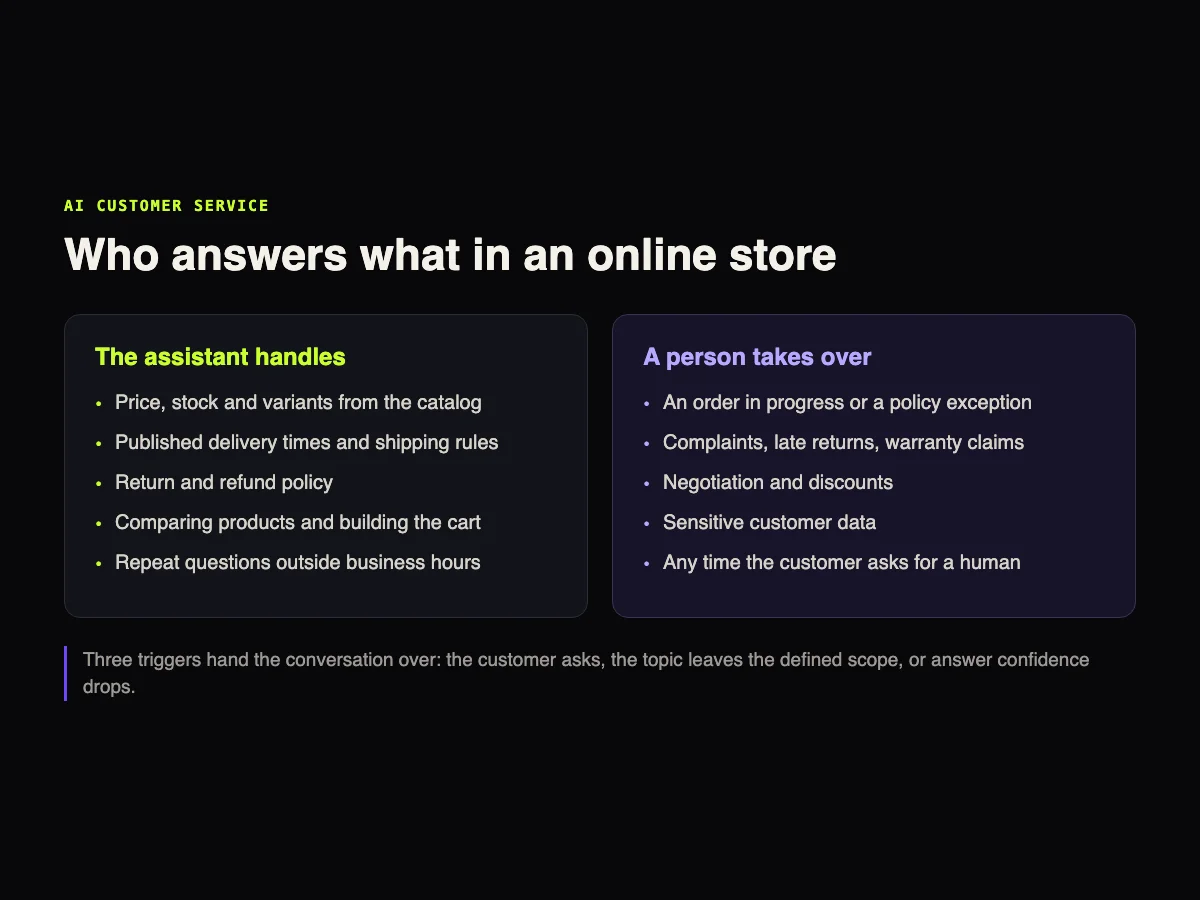
What an AI agent should answer on its own, when a conversation needs a person, and how to design the handoff without annoying the shopper.
Read article
AI chatbot pricing in 2026: per seat, per conversation or per resolution, what the AI model really costs per chat and how to estimate the bill for your store.
Read article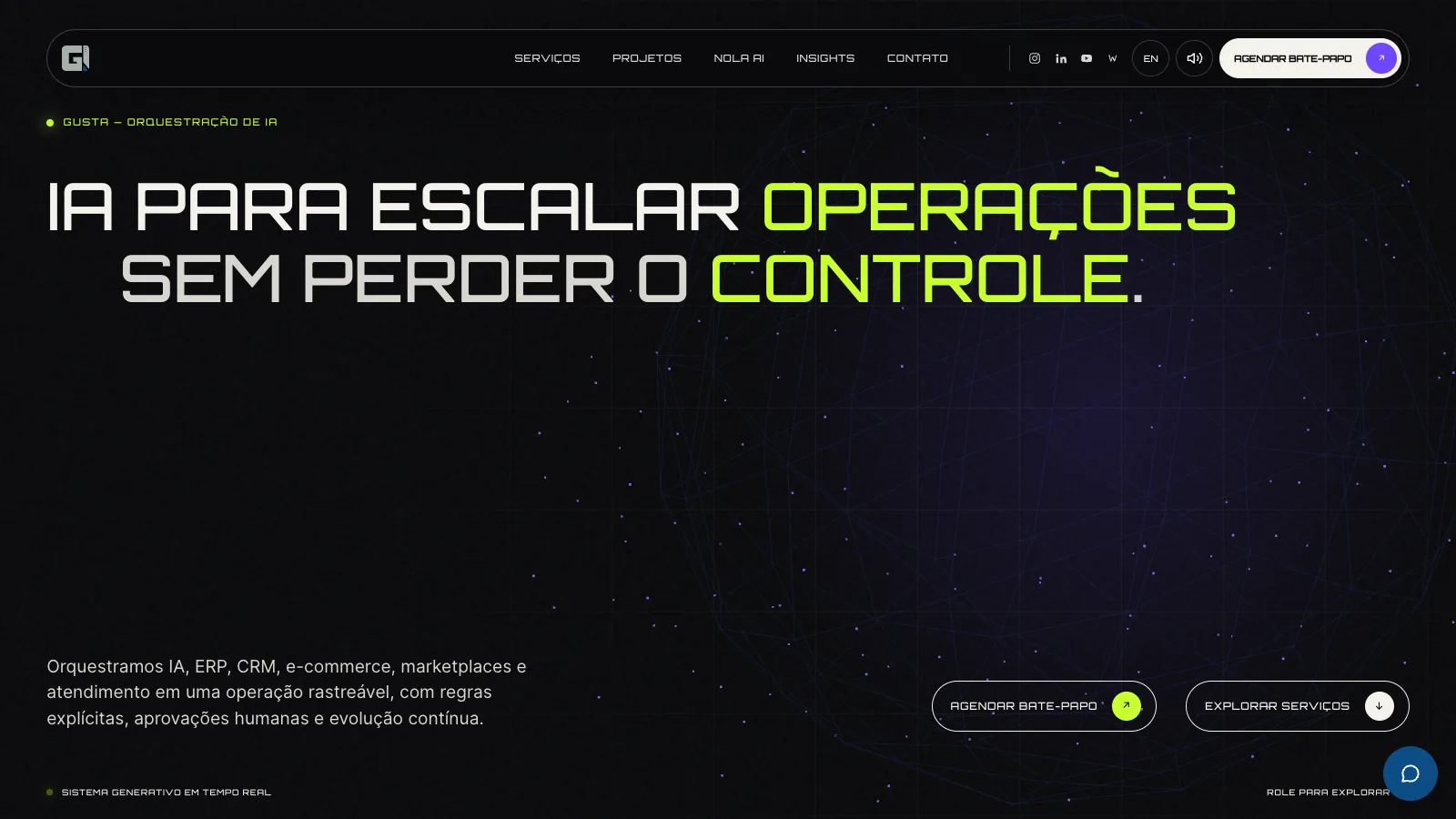
What custom AI really means, when to build your own system or SaaS, when to integrate off-the-shelf tools, and how to start without betting the whole budget.
Read article
Where the chatbot script goes in WordPress, Shopify, Wix, Webflow, Google Tag Manager and Next.js, what to test afterwards and the most common install mistakes.
Read article
An AI chatbot answers; an AI personal shopper sells. See what changes, when to switch on consultant mode and how both live in the same Nola AI widget.
Read article
What a Shopify chatbot has to do: real catalog, cart in the chat, native checkout and human handoff. How Nola AI does it, and what it does not do yet.
Read article
Automate and scale your store's support with a chatbot for VTEX. Reduce queues, improve the customer experience and increase conversion in ecommerce.
Read article
Learn how to choose between conversational chatbot, AI chatbot, and AI agent for ecommerce sales, support and operational scale.
Read article
Learn when a ready-made platform stops being enough and a custom AI-powered ecommerce platform becomes the right investment.
Read article
Learn to decide between extending WooCommerce with a custom plugin and building a new plugin for your ecommerce operation.
Read article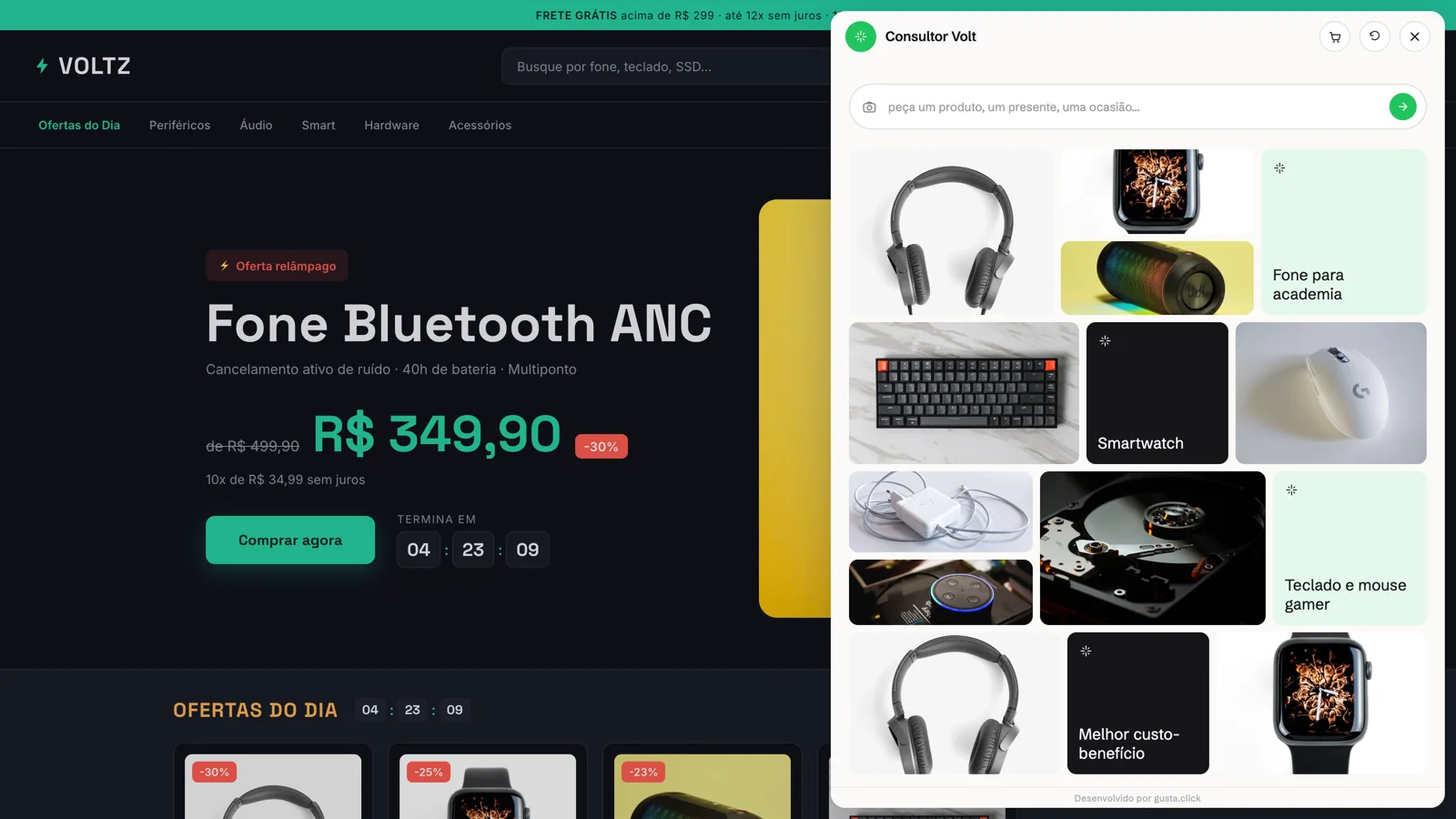
Stop losing time on manual tasks by automating core ecommerce processes with AI, while keeping humans in charge of exceptions and strategy.
Read article
A practical architecture to connect ecommerce stores, ERP and marketplaces with reliable sync for products, orders, stock and tracking.
Read article
A practical guide to choosing between GPT-5.6 Sol, Terra and Luna, understanding Max and Ultra, and planning cost without burning credits on everyday tasks.
Read articleWhen it fits
GUSTA is most useful when complexity comes from the business itself, not simply from the lack of a tool.
Digital processes happen every day and need to work predictably.
Data moves across ERP, CRM, store, marketplaces, support tools and spreadsheets.
The team repeats tasks and still needs to handle cases outside the standard flow.
Critical decisions require owners, limits, history and the ability to intervene.
It matters to know what happened, why it happened and which system originated each record.
The solution must keep up with new channels, rules, products and operational learning.
Transparent AI for critical operations
Permissions, sources, limits and criteria are defined before decisions are automated.
The team can approve, correct, take over a conversation or stop a workflow.
Logs, states and indicators help people understand and improve the system.