
The code is rarely what slows things down
Anyone who has commissioned a new website knows the scene. The layout gets approved in two weeks, development moves along, and then the project sits for three weeks waiting for the About page copy. Then one more, because someone remembers the old site had a page that could not disappear.
We see this a lot at GUSTA, which is why this guide starts with what tends to get stuck rather than with technology. Six steps, what each one needs to move, and at the end the list of what the company should receive when the site goes live.
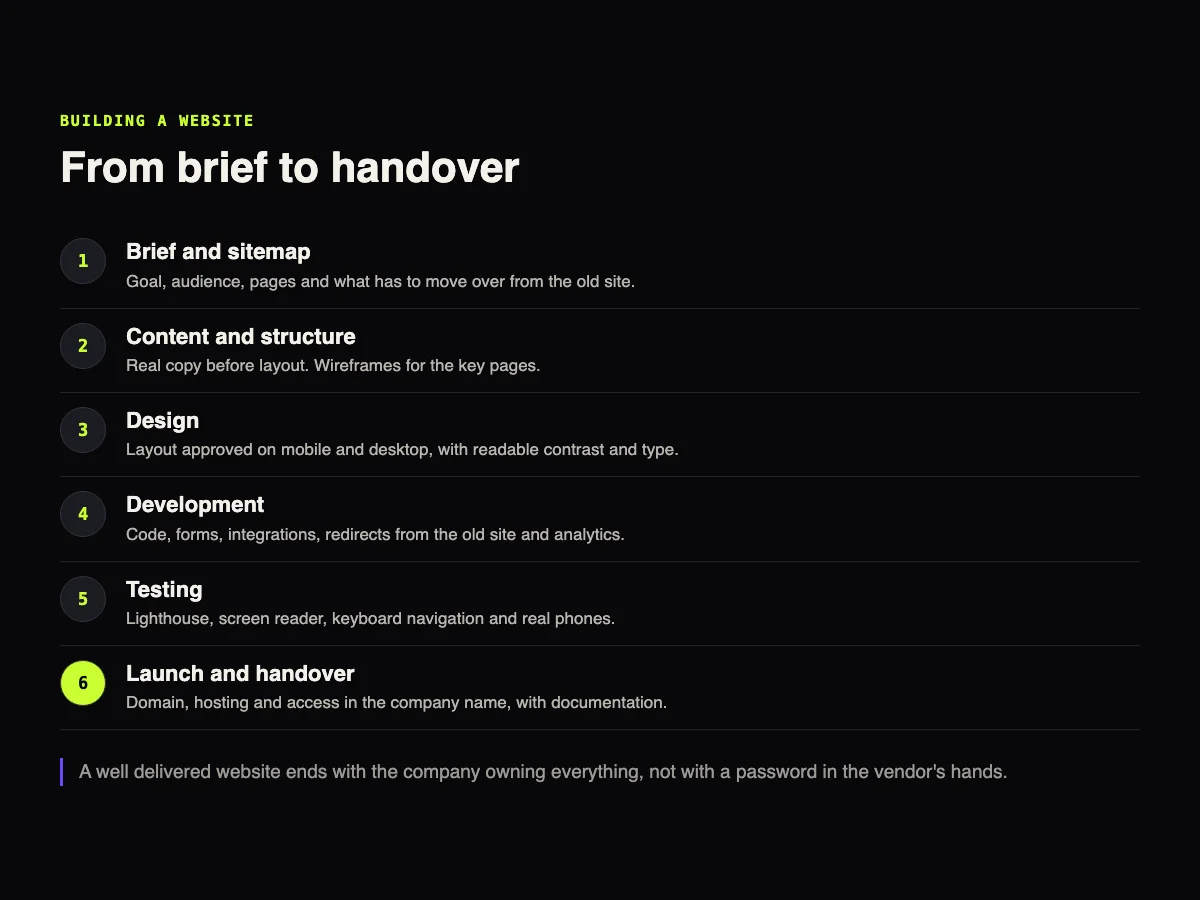
The six steps, in the order that works
1. Brief and sitemap. What the site is for, who will use it and which pages exist. If a site is already live, this step includes the list of what moves over, what goes away and what changes address.
2. Content and structure. Real copy before layout. It sounds bureaucratic, but a three-word headline and a twelve-word one need different designs. Wireframes for the key pages belong here.
3. Design. Approved on mobile and desktop, not just on the big screen in the meeting room. Contrast and type size belong in this conversation, not later.
4. Development. Code, forms, integrations, redirects from the old site and the measurement tools.
5. Testing. Lighthouse, a screen reader, keyboard-only navigation and real phones, ideally a cheaper one too.
6. Launch and handover. The site goes live and the company receives everything in its own name. More on this at the end, because it is the step that gets the worst treatment.
Why copy comes before layout
A layout built with placeholder text looks great in the presentation and breaks in the first week. The button was designed for "Learn more" and the real label is "Request a free demo". The headline fit on two lines and the real one takes four on a phone.
When the content does not exist yet, agree in the brief who writes each page and by when. If it is the company, the copy deadline is a project deadline, with the same weight as any other.
What the law asks for, and what common sense adds
Accessibility is a legal duty in Brazil. The Brazilian Inclusion Law says, in article 63:
Accessibility is mandatory on websites maintained by companies headquartered or with commercial representation in the country, or by government bodies, for use by people with disabilities, guaranteeing them access to the information available, in line with internationally adopted accessibility best practices and guidelines. (Law 13,146/2015, article 63, our translation)
Other countries have similar rules. In practice it means enough contrast, alternative text on images, forms that work with a screen reader and a site you can use without a mouse. Lighthouse catches a good share of the problems, but not all of them. Testing with a screen reader is still a job for a person.
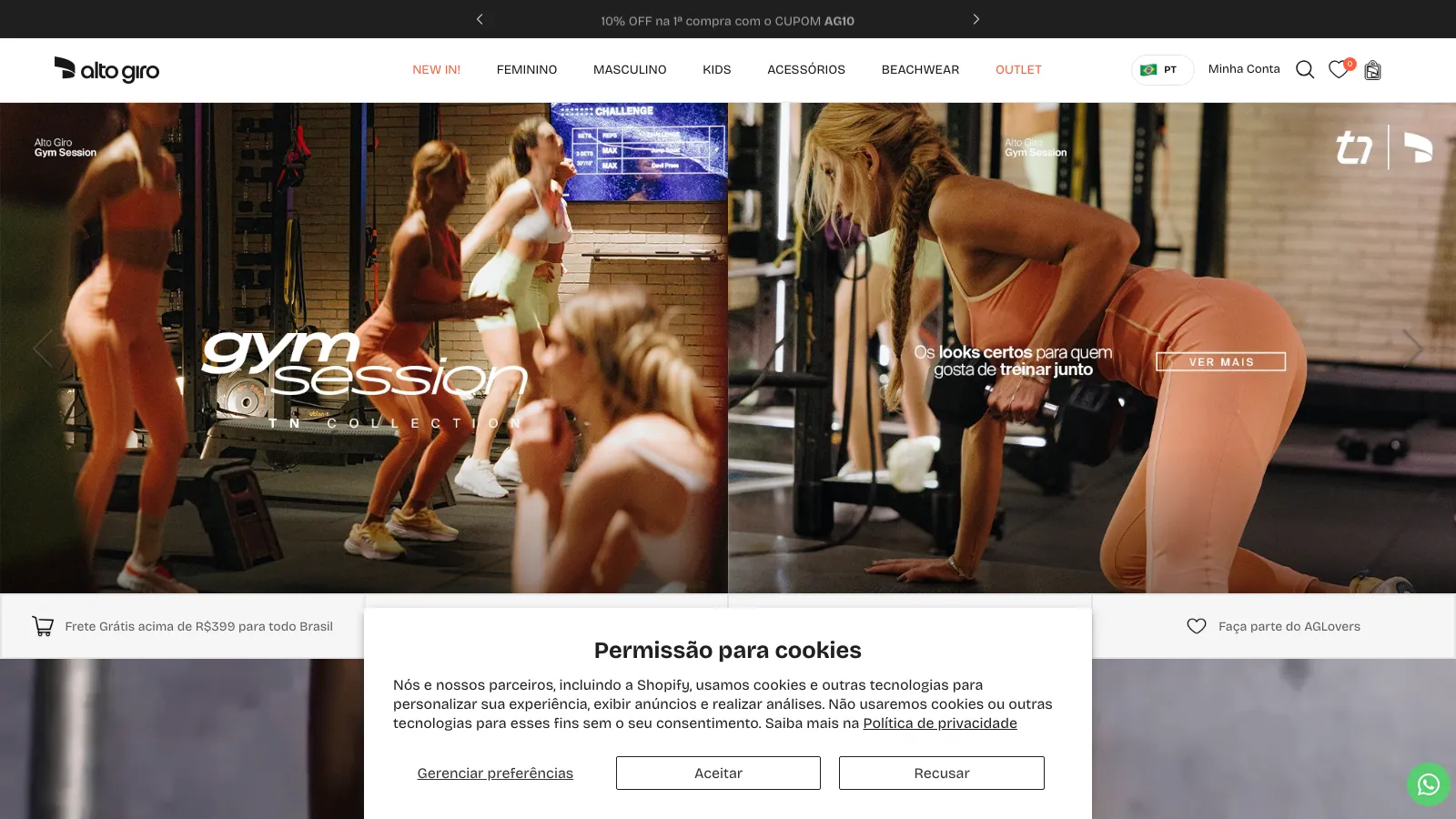
Privacy has to be visible. A site that uses analytics or advertising tools needs a clear privacy policy and a way for visitors to decline anything that is not essential. What exactly your site needs depends on what it collects, and that conversation includes your legal team.
HTTPS on every page. Certificates are free on most hosting providers today. There is no excuse.
Performance: measure it on a phone
Google uses three metrics, the Core Web Vitals, to decide whether a page offers a good experience. The limits below are the ones Google itself calls good, measured at 75% of visits:
| Metric | What it measures | Good |
|---|---|---|
| LCP | Time until the largest element on screen appears | Up to 2.5 seconds |
| INP | Response time to a tap or click | Up to 200 milliseconds |
| CLS | How much the page jumps while it loads | Up to 0.1 |
The common mistake is testing only on the office computer, on fiber. Test on a mid-range phone on mobile data too, and use the mobile mode in PageSpeed Insights.
Ready-made platform or built from scratch?
For most company websites, a well-known platform works fine, whether that is WordPress, Webflow or another one. The tipping point comes when the site has to talk to company systems, follow its own rules or handle volume the platform cannot. For online stores, that decision is covered in our guide to custom ecommerce with AI. For systems that go beyond the website, the article on custom AI solutions for business helps you decide.
The platform choice also decides where the site will live. If that is the open question, our comparison of shared hosting, VPS and cloud explains what changes in cost and in work.
What you should receive at the end
This is the part we see go wrong most often, and it usually only surfaces years later, when the company wants to change vendors.
- The domain registered to the company, with the email of someone in-house as the contact.
- Hosting under a company account, or at least with admin access for the company.
- Source code and repository access, if the site was custom built.
- An administrator user in the dashboard, not just an editor account.
- Google Search Console and Google Analytics with the company as owner.
- Redirects from the old site. A URL that changes without a redirect loses the position it had on Google. Here at gusta.click, pages from the time the site had /pt/ in the address still redirect to the new ones.
- A short document saying where everything lives and how to publish a change.
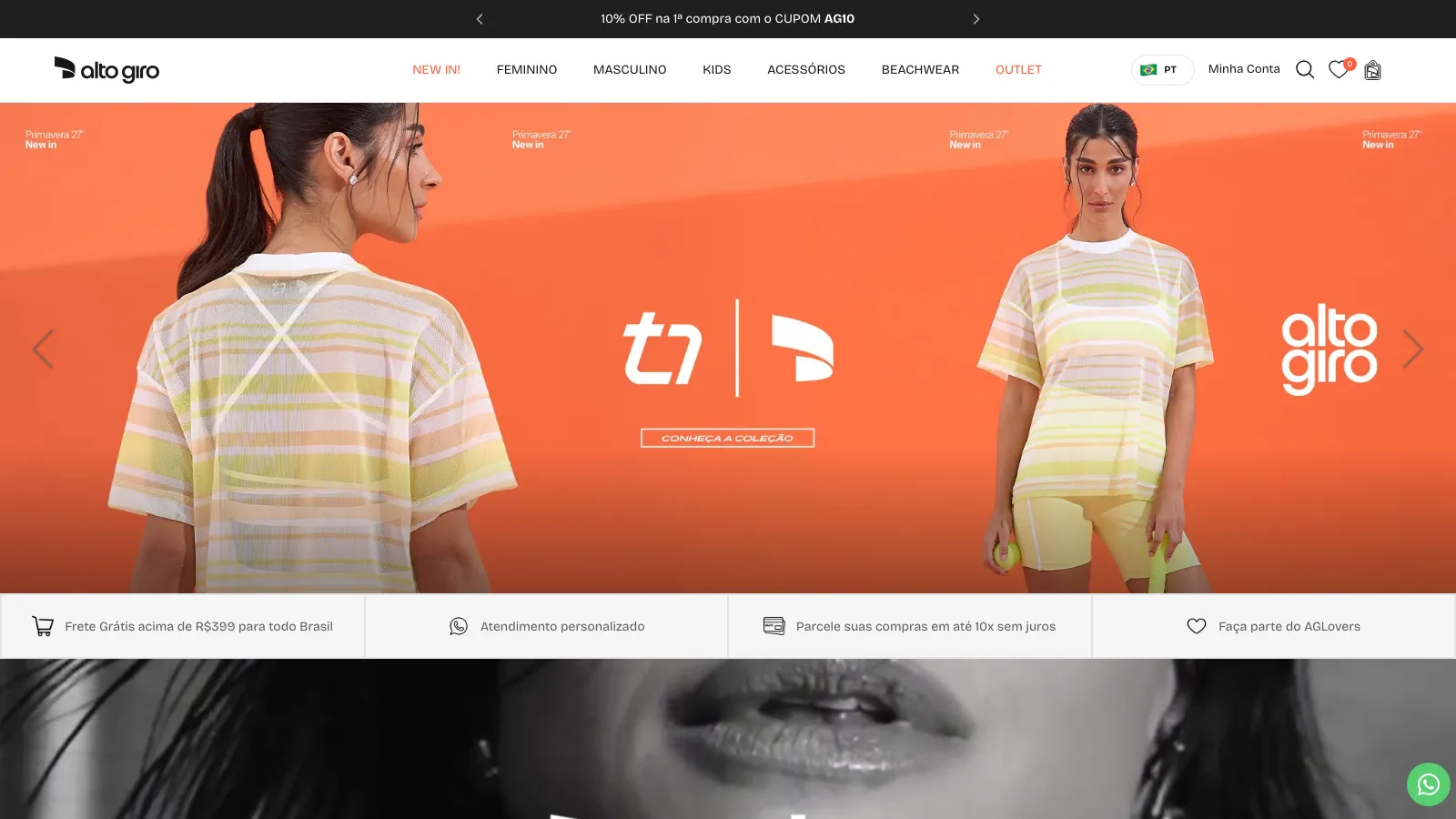
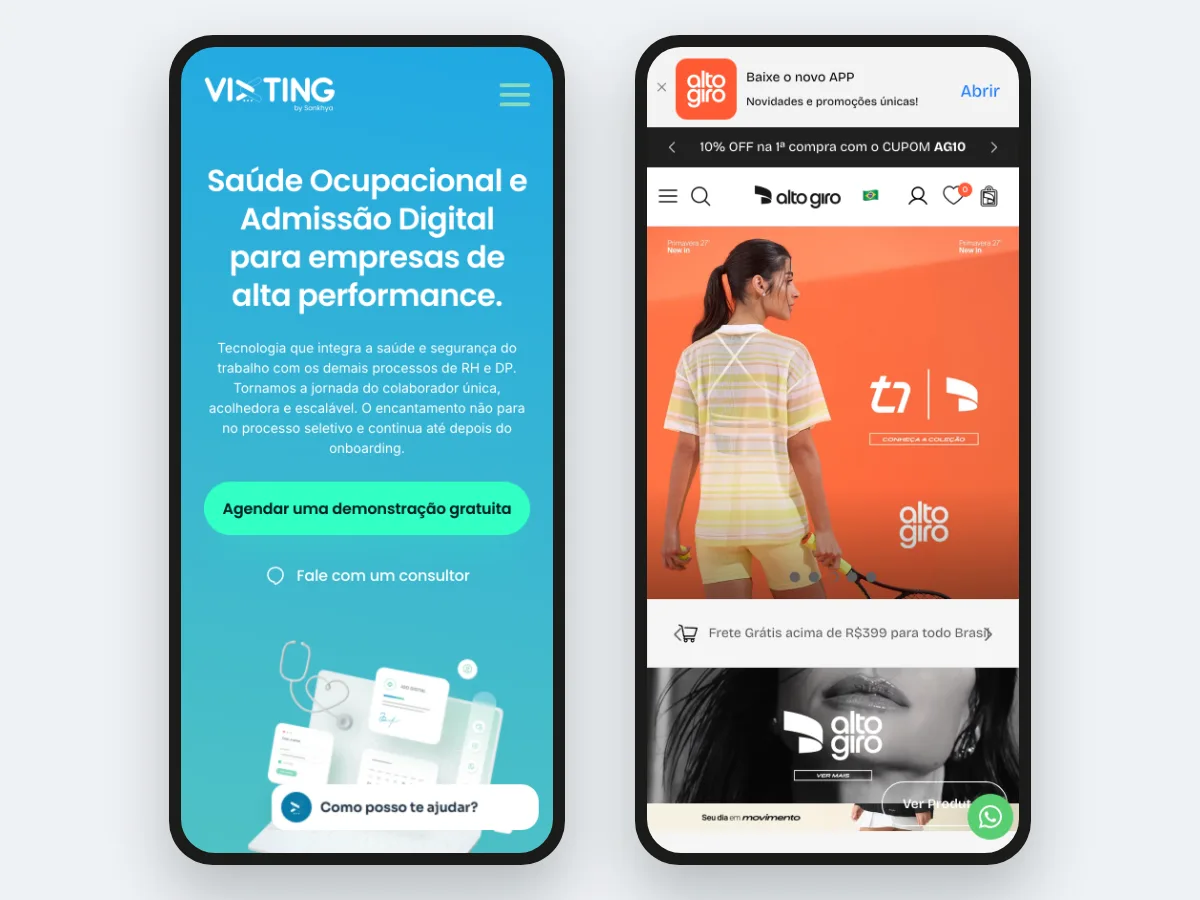
Our case studies follow that design. Alto Giro had its shopping experience implemented to work well across screens. Vixting continues with ongoing website support after launch.
After the site goes live
A launched site is not a finished site. Plugins need updates, PHP versions age, a form stops sending and nobody notices for two weeks. What goes into an ongoing contract is in our guide to website hosting and maintenance.
Frequently asked questions
How long does it take to build a company website?
It depends less on the number of pages and more on three things: content being ready, quick decisions and integrations. A company site with copy delivered on time moves fast. A site that needs old content migrated and internal systems integrated takes longer, and the schedule should say so from the start.
Do I need to deliver the copy myself?
Not necessarily, but somebody has to write it. If it is the company, the content deadline goes into the schedule. If it is the vendor, copywriting goes into the proposal.
Is WordPress still worth it?
For many company websites, yes. It is well known, plenty of people can work with it and it handles a business site well. The thing to watch is plugin overload, which turns into maintenance work and security risk.
Will the site be in my name?
It should be. Domain registered to the company, hosting under a company account and admin access for someone in-house. If the contract does not say so, ask before you sign.
What happens to the old site?
It goes offline on switch-over day, but its old URLs need to redirect to the new ones. Without that, the company loses the Google positions the old site had.
CTA
Building or rebuilding your company website? Talk to GUSTA and we will scope the project with steps, timeline and the handover list in writing from the proposal onward.
Comments
No comments yet. Be the first to comment.